About

Comms expertise meets AI fluency

Ceres Strategy exists because the gap between the potential of "AI" in medical communications and the reality won't be closed by technology alone. It takes people who understand both sides.

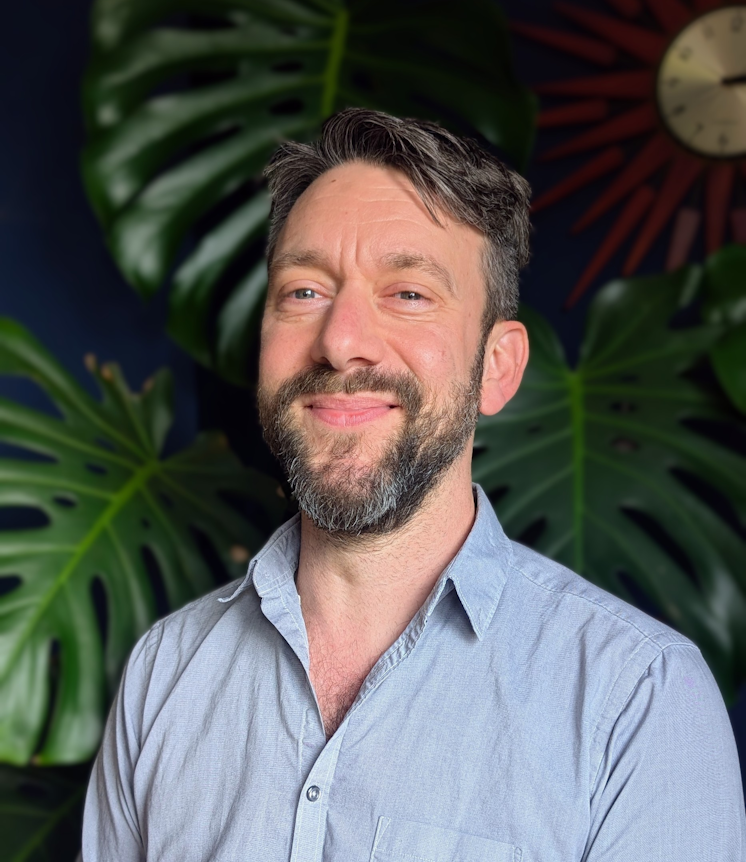
Tom Phillips

Delivering real results with AI in medical communications — not just hype.

I've been taking computers apart and testing the limits of tech since I was a child. That instinct — understanding systems from the inside, figuring out how to make them do more — has shaped many things I've done since.

I studied bioinformatics at university and started my career at the intersection of computing and life science, at a London informatics-driven biotech startup. From there I moved into pharma communications and strategy, where I've spent over two decades leading content development for major pharmaceutical brands —delivering symposia and adboards, strategic platforms, digital campaigns. Testing what works, finding better ways. I've managed writing teams, trained countless colleagues, and led complex projects from pitch to delivery for diverse clients including most of the top 10 pharma.

In my own time, I kept building and tinkering. Experiments with neural networks and lately language models — years of hands-on work with the technologies that now reshaping the nature of work. When "AI" tools arrived I didn't need to learn a new skill, I realised I've been practising already for years.

Now I am building bespoke AI systems for medical communications work: agentic workflows that draft, research, and quality-check in parallel; tools that understand the specific demands of pharma content; backed by training programmes that help sceptical and uncertain people become confident AI teams. My ability to architect these systems comes from understanding both the technology and the human work it helps to do.

This convergence of deep scientific and editorial expertise, technical fluency, and an instinct for making LLMs output quality work is what makes Ceres Strategy different. I'm not some AI enthusiast who read about medcomms. I'm a communications expert who builds AI systems.

AI & Technical Expertise

  • LLM architecture, prompt engineering & system design
  • AI coding agents & agentic workflow orchestration
  • Bespoke tool development for editorial & scientific workflows
  • AI quality assurance, verification & compliance frameworks
  • Team training & AI adoption strategy
  • Background in bioinformatics, computational biology & ML

Therapy area experience includes

  • Oncology & immuno-oncology
  • Immunology & inflammation
  • Cardiovascular & metabolic
  • Endocrinology & diabetes
  • Ophthalmology
  • Orthopaedics & devices

MedComms deliverable experience

  • Publications, congress symposia & advisory boards
  • Strategic communication platforms & brand narratives
  • Slide decks, detail aids, sales training & education
  • Digital: websites, e-details, apps, 3D animation, video
  • Multi-channel campaigns & HCP engagement
  • Writing team leadership, mentoring & QC
Philosophy

What we believe

AI amplifies expertise. It doesn't replace it.

A medical writer's scientific judgement, therapeutic area knowledge, and editorial instinct are what make content good. AI accelerates execution — it doesn't substitute for knowing what good looks like. The best results come from experienced professionals using AI as a precision tool, not from AI operating unsupervised.

Quality is non-negotiable.

Medical communications operates in a regulated environment where accuracy, fair balance, and traceability aren't optional. Every AI workflow we design includes verification, audit trails, and compliance safeguards. Speed means nothing if it comes at the cost of quality.

Build capability, not dependency.

Our goal is to make your teams self-sufficient. We teach people to think about AI systematically — to design their own prompts, build their own account-specific tools, and adapt as the technology evolves. We succeed when you don't need us any more.

Honest counsel over comfortable narratives.

The AI landscape is full of hype, overpromise, and vendor-driven narratives. We tell you what works, what doesn't, and what isn't ready yet. If AI isn't the right solution for a particular problem, we'll say so.

Our name

Why “Ceres”?

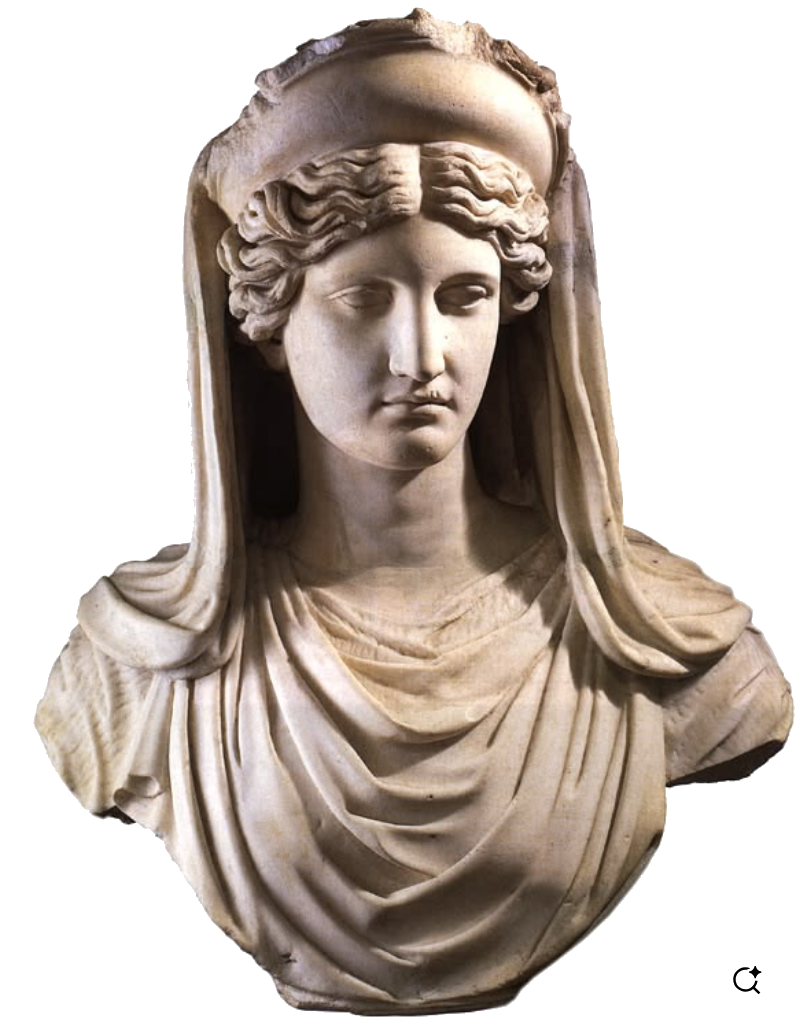
The Greeks knew her as Demeter — eldest sister of Zeus and one of the most ancient deities in the Mediterranean world. She was revered because survival depended on her. One failed crop and a civilisation starved. Ancient peoples didn't worship Demeter out of gratitude. They worshipped her out of necessity.

The Romans called her Ceres. Her name comes from the Proto-Indo-European root ḱerh₃, meaning “to nourish.” She was credited with the gift of agriculture itself — the yoking of oxen, the sowing and protection of seed, the laws that allowed settlements to form. Before Ceres, the Romans said, humankind wandered without structure, subsisting on acorns. She brought order from chaos.

That's the metaphor we work with. AI without structure is noise — impressive demos, scattered experiments, tools that promise everything and deliver confusion. What's needed is cultivation: careful, expert, rooted in understanding of the work itself. The knowledge to sow the right seeds, protect the process, and harvest genuine results.

Among Ceres' symbols were poppies — representing fertility, transformation, and rebirth. Her constellation still traces connected points of light across the sky, forming meaning from scattered stars. It's not a bad image for what we do.

Ceres depicted as a constellation — connected stars forming the figure of the Roman goddess of agriculture

Ceres as constellation — scattered points of light,
connected into meaning

Let's talk about what AI could do for your team

No pitch, no pressure. Just an honest conversation about where you are and where you want to get to.

Get in touch